When Sharlene's Engine Revved Without Moving
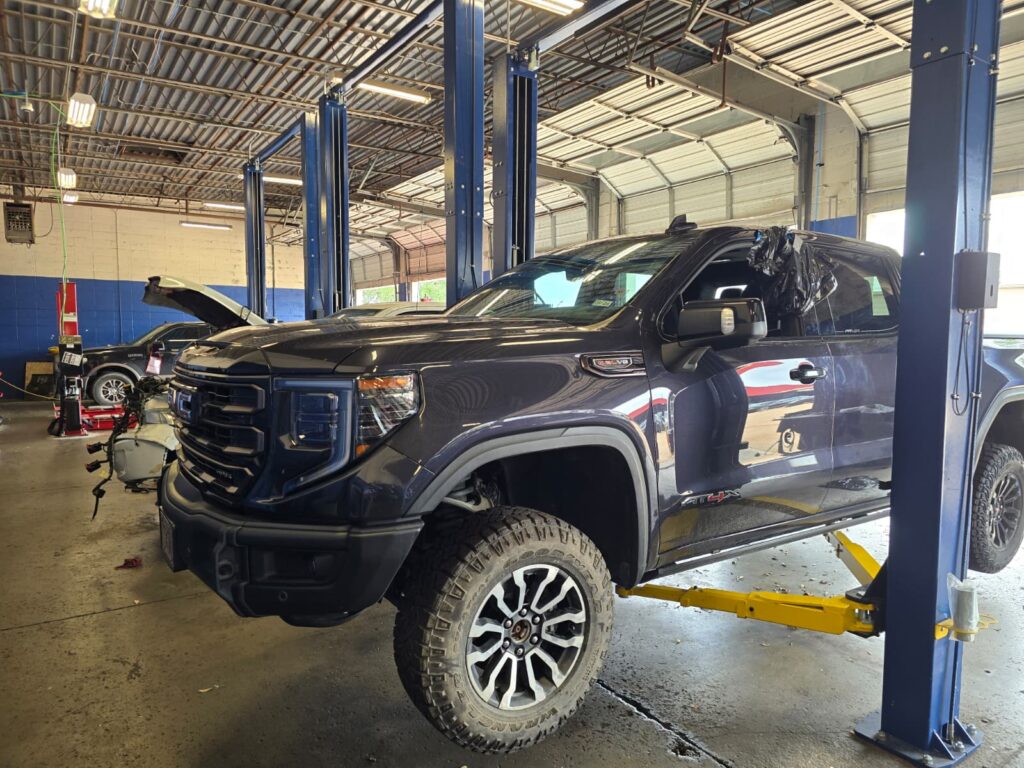
Sharlene works as a veterinary technician in Webster, splitting her days between the clinic and house calls for a handful of regular clients around the area. Her GMC Sierra AT4X is the truck that gets her, and often a carrier or two, from one appointment to the next.
She noticed it merging onto the highway. She pressed the accelerator the way she always did, and the engine responded the way it always did, RPM climbing with a familiar rise in engine noise. What didn’t happen was the car actually gaining speed at the rate that sound suggested. It felt like pressing the gas and getting a delayed, muted response, as if something between the engine and the wheels wasn’t fully connected.
It happened again a few days later pulling away from a stop sign, and again climbing a highway on-ramp with a slight incline. Each time, the same disconnect: engine noise climbing, speed lagging noticeably behind it.
Merging onto busy Texas roads is exactly the wrong moment to feel unsure whether your car will actually respond when you need it to. Sharlene didn’t want to wait to find out whether it would get worse at a worse time.
Rising RPM Became a Transmission Concern
Sharlene called and spoke with Eric on the customer care line, describing the RPM climbing without matching speed.
Eric logged her symptoms carefully: engine revs up, speed stays flat, some hesitation under load. Then he asked a question that shapes everything about how this gets diagnosed: was her car automatic or manual? He also asked whether any warning lights, including a transmission temperature warning, had come on.
Sharlene confirmed her truck was automatic, and no warning lights had appeared. Eric explained that catching this kind of slipping early often prevents more serious internal wear from developing, and got her a priority diagnostic slot rather than making her wait out the week wondering. Before they hung up, he gave her a quick reason why that one detail, automatic or manual, mattered as much as it did.
Diagnosing Sharlene's Automatic Transmission Slippage
Since Sharlene’s truck was automatic, drivetrain specialist Samuel started with the diagnostic path built for that system, working through each check in order rather than guessing at a starting point. He checked:
- Transmission fluid level, color, and smell
- Hydraulic line pressure under load
- The transmission pan, line fittings, and cooler connections for hidden leaks
- The internal filter for restriction or blockage
- Scan tool codes related to pressure or shift timing
He also asked Sharlene when she noticed the slip most, since a symptom that shows up more under load, like merging or climbing an incline, often points toward a pressure issue rather than something more mechanically involved.
Completing the Fluid Service and Road Test
Samuel removed the transmission pan, replaced the restricted filter, cleaned the magnetic drain plug, and performed a full fluid exchange with fresh synthetic fluid. Once the service was complete, he verified hydraulic pressure met factory specifications across park, reverse, drive, and downshift modes before taking the car anywhere near a road.
The road test covered both local highway merging and stop-and-go streets, mirroring the exact conditions where Sharlene had noticed the problem. Gear changes came through crisp, with immediate throttle response and no hesitation, confirming the slip was fully resolved before she picked the car up.
Transmission Slipping: Causes in Automatic and Manual Cars
Engine revving without matching acceleration gets treated as one problem with one fix far too often, when the actual repair path depends entirely on the transmission underneath. A real Best Auto Repair Shop in Webster,Texas trusts asks the automatic-or-manual question first, because it changes everything downstream. Here’s what’s usually behind it, split by type:
In automatic transmissions: low transmission fluid reduces the hydraulic pressure needed to fully clamp internal clutch packs. Degraded, burnt fluid loses that pressure-building capability even when the level looks fine. A restricted filter chokes off flow regardless of how much fluid is present.
In manual transmissions: a worn clutch plate loses its ability to grip the flywheel firmly, allowing the engine to spin without fully transferring that motion to the wheels. A worn pressure plate reduces the clamping force holding the clutch plate against the flywheel in the first place. A failing release bearing can cause similar engagement problems even when the clutch material itself still has some life left.
What It Usually Costs to Fix This
Cost varies significantly between the two repair paths, which is part of why the automatic-or-manual distinction matters so much before any work begins. A transmission fluid, filter, and pan service, like the repair Sharlene had done, sits on the more affordable end of drivetrain repairs, since it’s primarily a fluid exchange and a filter replacement rather than disassembling major components.
A clutch overhaul in a manual vehicle involves considerably more labor, since it requires accessing and replacing the clutch plate, pressure plate, and often the release bearing as a set. That labor difference is reflected in the cost, and it’s a repair most shops will quote only after a direct inspection rather than over the phone.
Exact pricing depends on the vehicle and the specific parts involved. A written estimate after inspection, rather than a general phone quote, gives the most accurate number either way.
What To Do When Revving Exceeds Speed
If you notice your engine climbing in RPM without your car gaining matching speed, a few observations help a technician diagnose it faster:
- Is your transmission automatic or manual? This changes the entire diagnostic path.
- Does the slip happen more under load, like merging or climbing an incline?
- Any warning lights, especially a check engine or transmission temperature light?
- Do you know roughly when the fluid, or clutch, was last serviced?
- Does the car eventually catch up to the RPM, or does the slip persist?
Avoid compensating by pressing the accelerator harder. In an automatic, that adds strain to an already pressure-starved system. In a manual, it accelerates wear on a clutch that’s already struggling to grip.
Once the cause is confirmed, whether it’s fluid-related or clutch-related, a proper Transmission Repair Service in Webster, Texas addresses the specific components actually responsible rather than defaulting to the same fix for every vehicle, and verifies the repair with a real road test before handing the car back.
Frequently Asked Questions About Drivetrain Slip
Question : 1 Why does my engine rev high but the car barely accelerates?
Answer : 1 This is drivetrain slippage. In automatic vehicles, it’s usually low or degraded transmission fluid or a restricted filter reducing hydraulic pressure. In manual vehicles, it’s almost always a worn clutch plate or pressure plate. Confirming which applies is the first diagnostic step.
Question : 2 Will changing transmission fluid fix an automatic that’s slipping?
Answer : 2 Often, yes, if the cause is low, burnt, or restricted fluid flow, which a fluid and filter exchange can resolve. If internal clutch bands are physically worn from prolonged low pressure, a more involved repair may be needed, which a pressure test during diagnosis helps confirm.
Question : 3 Does my manual transmission need a clutch replacement or just fluid?
Answer : 3 A fluid or gear oil change will not fix slipping in a manual transmission. This symptom in manual vehicles is almost always caused by a worn clutch plate, pressure plate, or release bearing, requiring a clutch overhaul rather than a fluid service.
Question : 4 How long does a transmission diagnostic and service take?
Answer : 4 A full diagnostic and fluid or filter service typically takes 1.5 to 3 hours, depending on the vehicle and pan accessibility. A clutch overhaul in a manual vehicle takes considerably longer, given the additional labor involved.
Question : 5 How much more does a clutch overhaul cost compared to a fluid service?
Answer : 5 A clutch overhaul costs meaningfully more than a fluid and filter service, since it involves replacing mechanical components rather than exchanging fluid. A written estimate after inspection gives the most accurate comparison for your specific vehicle.
The Right Transmission Diagnosis for Webster Drivers
Sharlene’s symptom started as a strange gap between what her engine sounded like it was doing and what her car actually did, first noticed merging onto a highway she drives most days.
Confirming her transmission type before anything else meant the diagnostic went straight to fluid and filter condition, rather than guessing, and a service that took a few hours restored the immediate throttle response she was used to.
For drivers in Webster noticing their engine rev without matching acceleration, whether automatic or manual, Bay Area Auto starts with that same automatic-or-manual question before recommending any repair.
 Call us: +1 346-447-7171
 Visit Our Website : https://bayarea-auto.com/
 Address: 301 W Bay Area Blvd, Webster, TX 77598, United States
Our support team is available Monday through Saturday, 7:30 AM to 6:00 PM, to assist you quickly and efficiently.
Visit Bay Area Auto or WhatsApp us for a professional transmission inspection and diagnostic service.